

Passerelles Numériques advances its gender equality project with key events
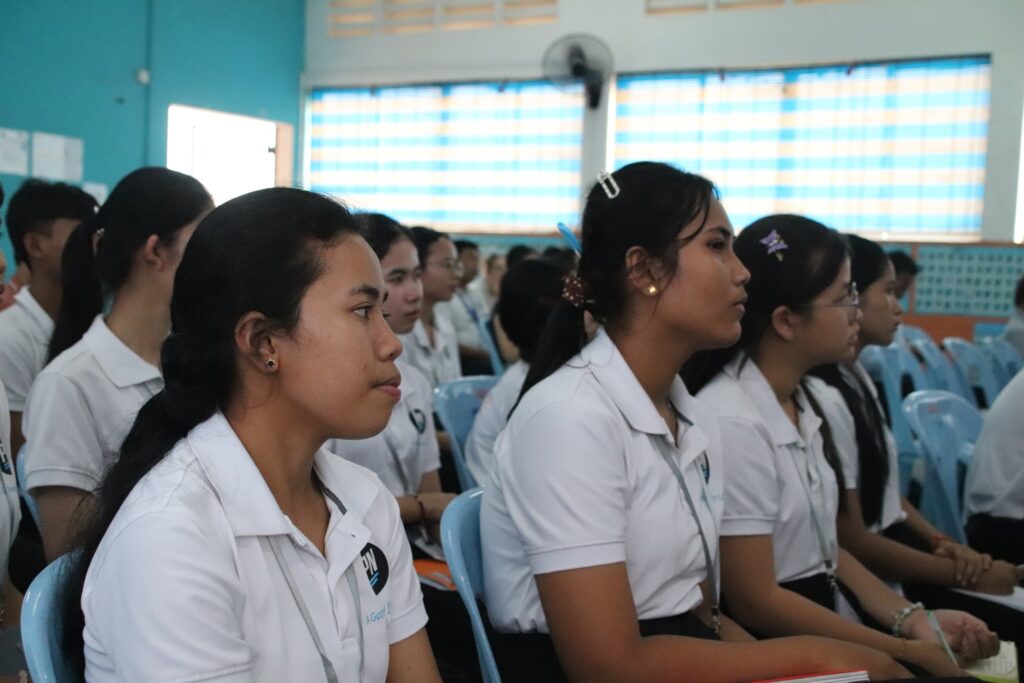
In 2025, Passerelles Numériques (PN) launched a major initiative with Batik International to mainstream gender equality across its four centers in Cambodia, Vietnam, the Philippines, and Madagascar. Gender equality has always been central to PN’s mission. Recognizing the importance of engaging our partners (academic institutions, IT and digital company partners) and fully equipping our staff as ambassadors, this year’s project began with a comprehensive gender diagnostic for each center and targeted training for local teams. This approach establishes a solid foundation for sustained, structural change.
A four-country gender diagnosis: understanding practices and gaps
PN and BATIK appointed two focal points per center to serve as gender referents. Together with Batik International, they carried out an in-depth self-assessment using data collection grids, collaborative analysis workshops, and integration webinars. Over the months, teams shifted from uncertainty to active engagement, gradually building confidence in discussing sensitive issues like intersectionality and gender-based violence.
Key implemented activities across centers :
Cambodia (PNC): Provision of menstrual products, responsible partner selection with the 50% girls quota and exposure to female role models during company visits, testimonies.
Vietnam (PNV): Intersectional recruitment reaching ethnic minority schools during the selection process, strong staff training on gender issues and an active alumni network.
Philippines (PNPh): Gender-responsive budgeting activities, strong focus on mental health and psychological safety.
Madagascar (PNM): Early gender parity in recruitment both for students and staff, supporting students in reflecting on family roles and raising families’ awareness of evolving family dynamics, and focus on female role models.
Across all centers, gender data collection was already systematic, but the next step is to strengthen analysis and use findings to update policies, training content and support mechanisms. An area for improvement was identified by BATIK : involving students in the diagnostic process would help ensure their perspectives are better reflected in future evaluations.
Overall, the diagnosis revealed increasing ownership of gender issues and set clear recommendations: reinforce gender referents, build an internal gender toolkit, deepen intersectional understanding, and use informal spaces (clubs, student life) to further integrate gender awareness.
Gender awareness training: strengthening core capacities for staff and partners
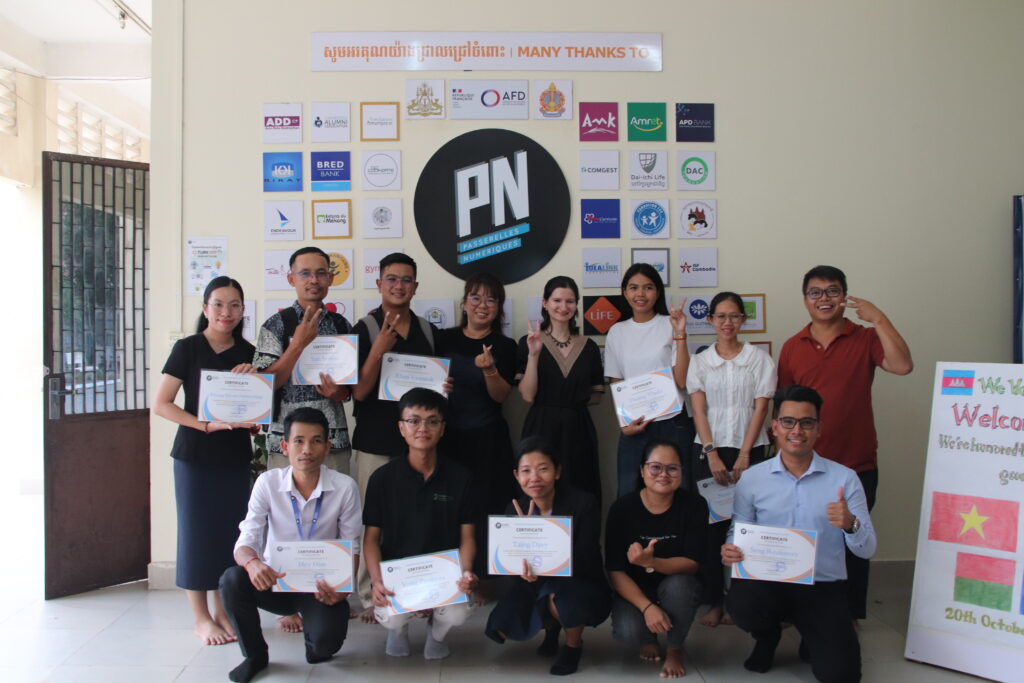
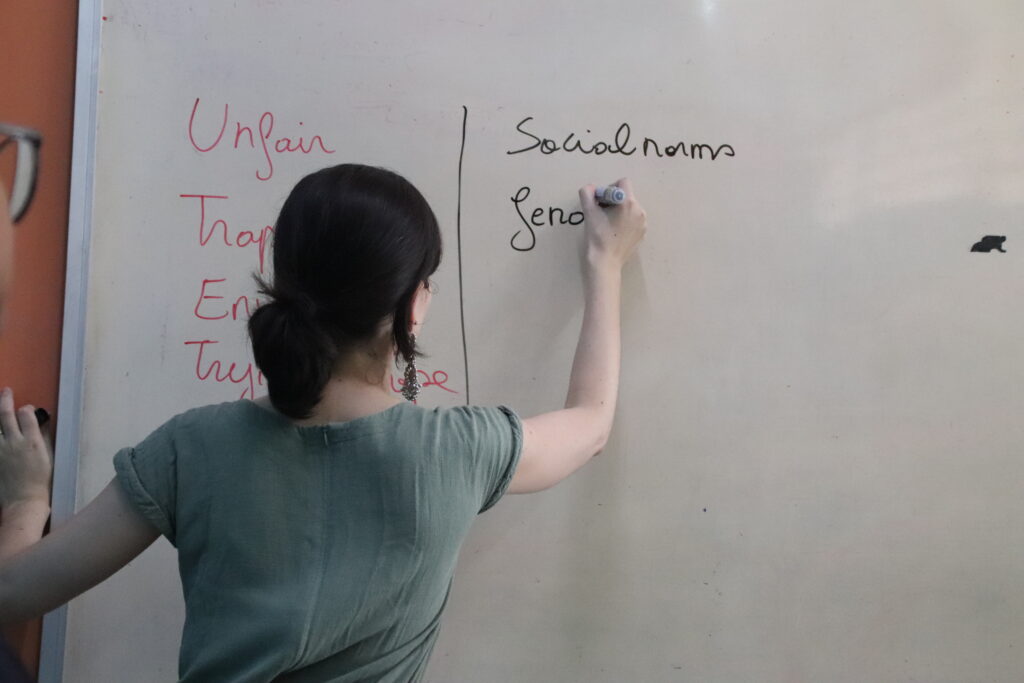
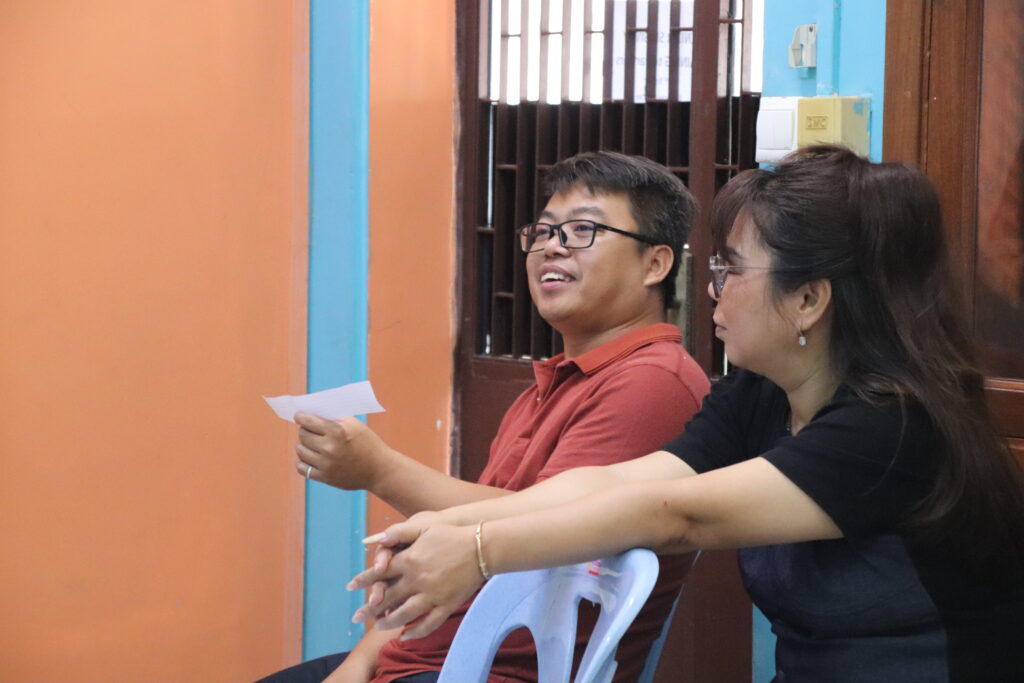
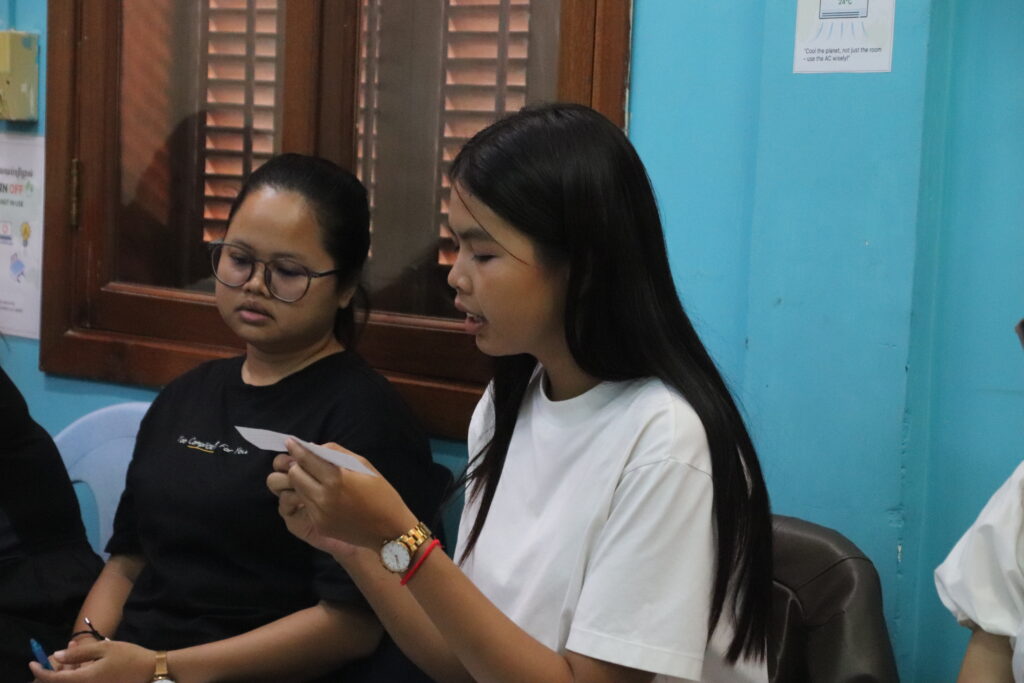
PN Cambodia hosted a two-day gender awareness training for staff and 15–20 partners, led by Batik International. Using participatory methods, such as Privilege Walk, and story-based Gender Based Violence cases, the sessions helped participants understand how gender is socially constructed, how inequalities intersect and how violence manifests in multiple forms (physical, psychological, economic, sexual).
Participants reported learning new concepts, especially economic violence, intersectionality, and differentiating stereotypes from discrimination. Based on an external evaluation, all expressed motivation to reuse the tools with colleagues and students, confirming a shift from awareness to practical engagement.
Roundtable: Women leading Cambodia’s future in business and tech
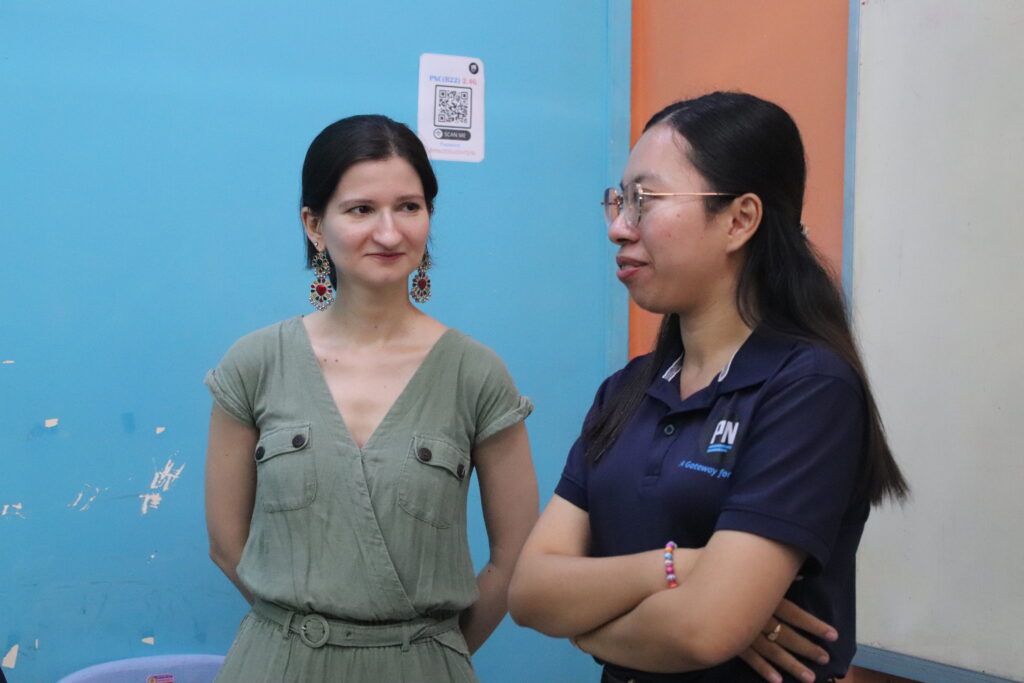
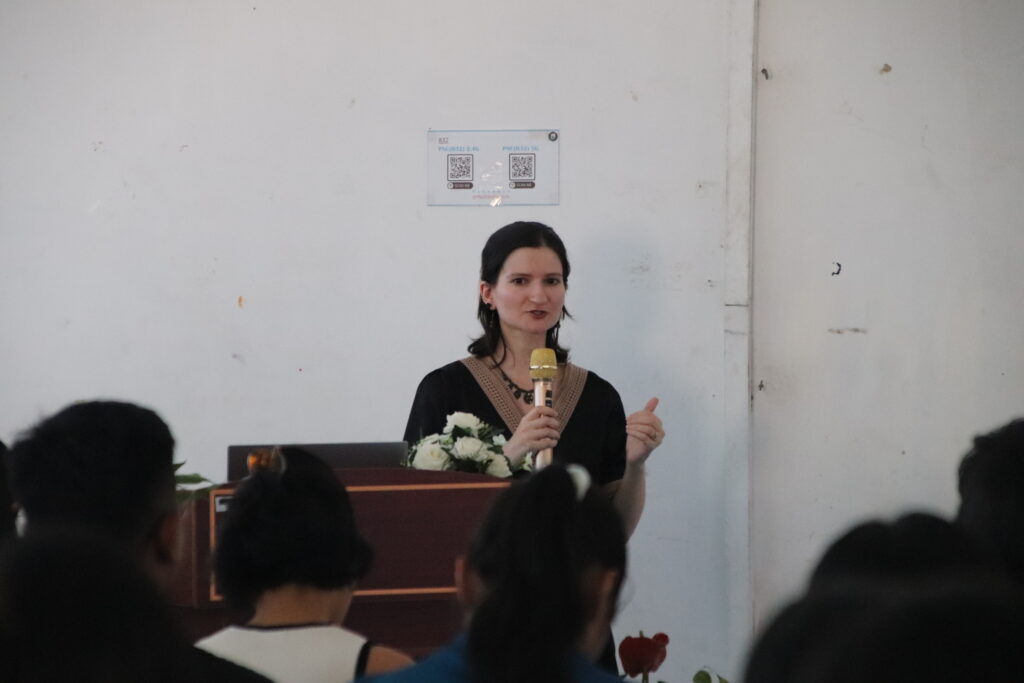
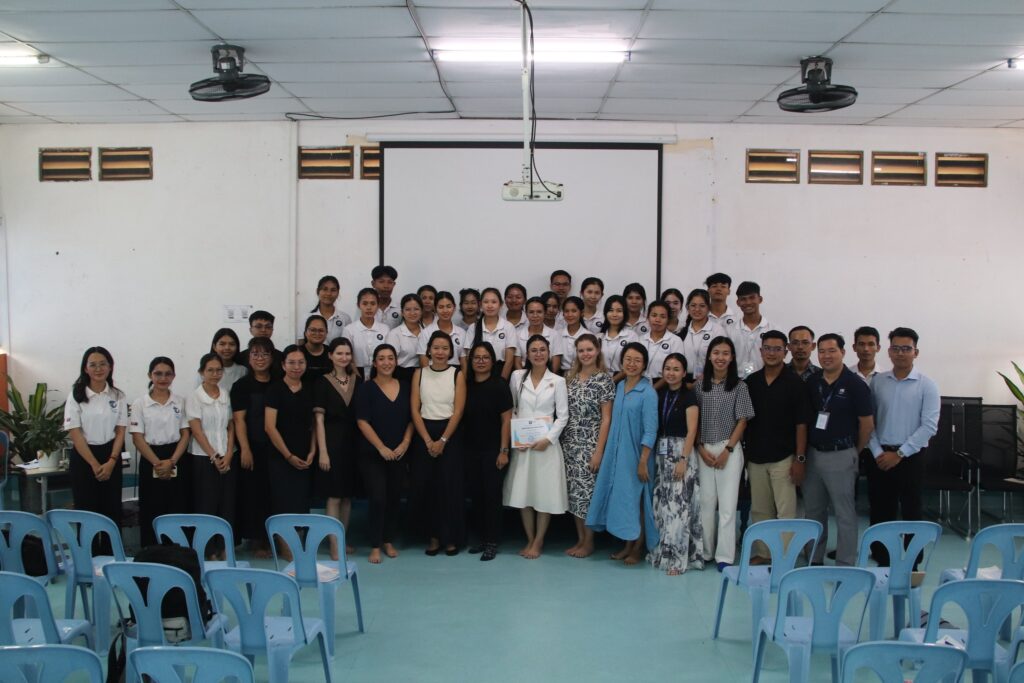
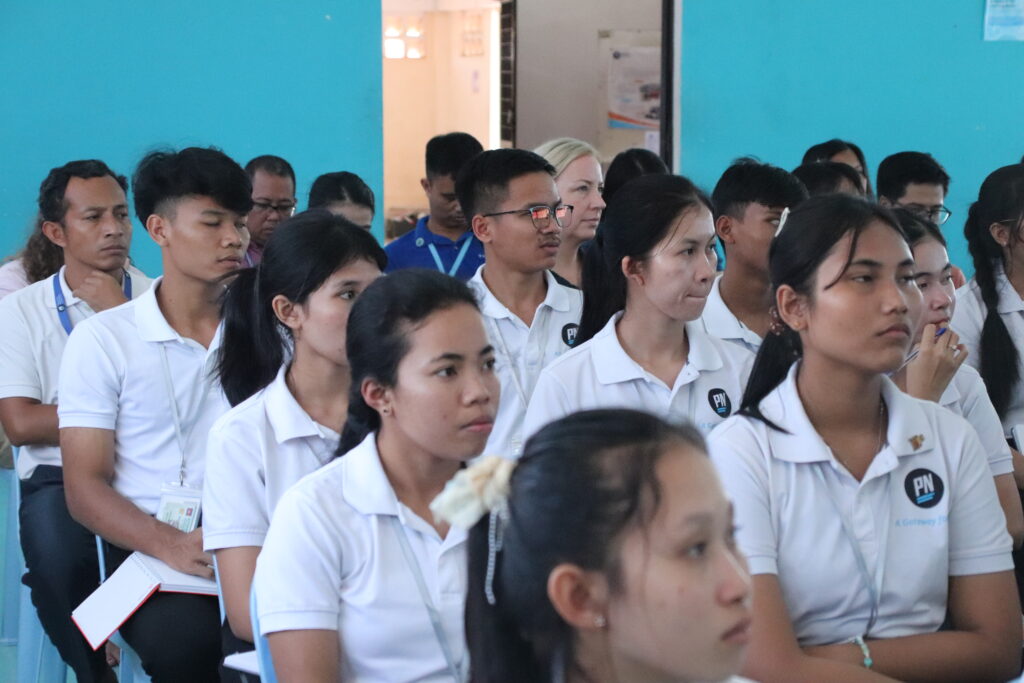
Beyond the training activities, PN also organized a roundtable “Connect and Co-Create: Women Leading Cambodia’s Future in Business and Tech” in Cambodia, gathering 68 participants, including 25 students, mainly female students, and four high-level female leaders from tech and business sectors. Although not all of them are Cambodian, they each represent key dimensions of Cambodia’s evolving digital and ICT landscape. Their presence offered valuable insights into the realities of the Cambodian labor market in IT, technology, and digital innovation.
The discussion, moderated by Alice Longuet, head of programs and partnerships at Batik International, featured four prominent women :
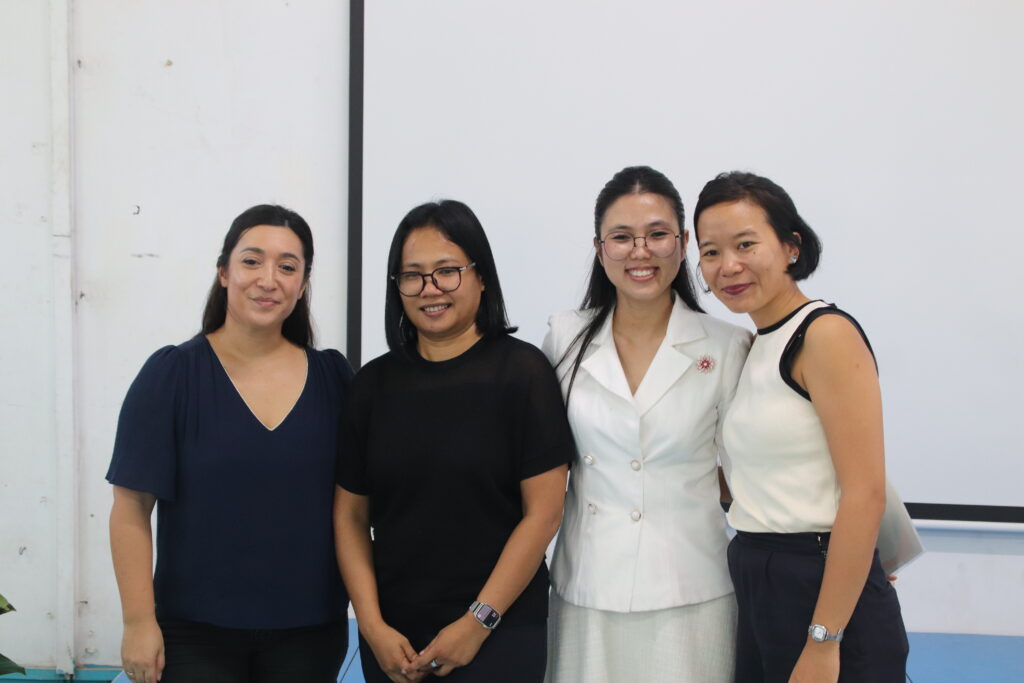
- Adrienne Ravez-Men (Senior Advisor in AI, blockchain and Web3, co-founder of Global Innovation and Change),
- Sopheap Im (Chief People Officer at Digital Divide Data for Cambodia).
- Oumuoy Heang (PNC Alumni and CEO of Asia Digital Technology Innovation),
- Julie Keo (Head of Cambodia EU desk at DFDL and Vice-chair of Eurocham Cambodia),
Speakers stressed that advancing gender equality in digital and business sectors requires both individual empowerment and systemic change. Leadership training, clear safety protocols, and anti-harassment measures were highlighted as essential, alongside creating spaces where women’s voices are truly valued.
Key themes included the importance of data for credible strategies, persistent stereotypes in tech, the slow progress of female leadership, and the need for corporate responsibility through measurable diversity actions and male alliance and support. Work-life balance was also discussed, emphasizing the cultural shift needed to share domestic and professional responsibilities equally. The panel put forward several concrete solutions, including mentorship opportunities, inclusive HR policies, the increased visibility of female role models, and flexible, diversity-driven corporate practices. Overall, the roundtable emphasized that genuine digital inclusion goes far beyond access alone: it requires creating an environment grounded in equality, safety, and empowerment, one that enables a new generation of confident female leaders to emerge and thrive.
Looking ahead
With a solid diagnostic foundation, increased staff awareness, and the momentum generated through open dialogue, PN is now entering a new phase of its gender equality initiative. The next steps involve deepening student engagement via club and curriculum enhancement, reinforcing coordination among gender focal points and transforming key insights into concrete policies and practical tools.
One message emerged throughout these efforts: true digital inclusion requires environments where equality, safety and representation are the NORM, not the exception.
*This project is part of BRIDGES Project (“Building a Resilient and Inclusive Digital and Gender-aware Economy in South-East Asia”) – funded by the Agence Française de Développement (AFD).